
Spring is often a fleeting and fickle season: warm weather often comes and goes a few times before it finally settles in for good. Flowers start to bloom on trees and out of the ground as it thaws. In many temperate areas and higher latitudes, melting snow from the winter and increased rains lead to a wetter landscape. This time of year, it’s better to slip on a pair of rubber boots (galoshes for Americans or wellies for British readers!) before taking a walk in the woods. The sun comes out a little earlier every morning, lingers a little longer, and feels a bit warmer.
Before you know it, it will be summer. It’s easy to forget the uniqueness and fascination of spring as a season, and overlook things that it brings about in nature. While Spring ephemerals often steal the show, this month’s blog topic is another major Spring happening in nature, and in my opinion one of the absolute coolest. This month’s Science Deep Dive post will lead us through basic info on these cool habitats and answer frequent questions I get from readers and fellow nature-saunterers. As a conservation biologist working primarily on wetland habitats and their wildlife, vernal pools have long held a very dear place in my heart and I hope that this post will help you understand why!
Read more: What Are Spring Ephemerals?
If you’re looking for some audio content on vernal pools, be sure to check out this podcast I did with Bob from the Nature Guys back in 2021. We cover some cool vernal pool wildlife and some of our own encounters with these cool and overlooked environments.
What are vernal pools?
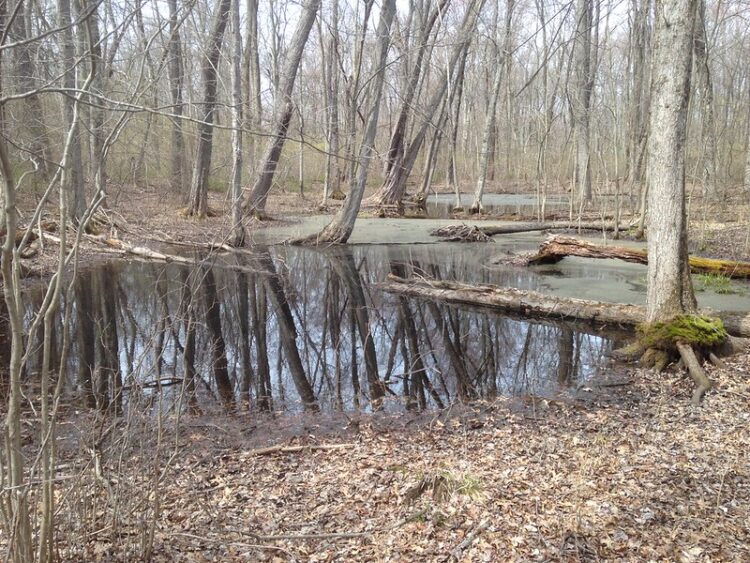
Vernal pools are unique ecosystems in shallow depressions that fill up with water at certain times of the year. In North America and Eurasia, they typically fill up in the spring, hence their name. Vernal means springlike, and comes from the latin word ver, meaning spring. Vernal pools are small ponds, usually from 1/10 of an acre to 2 or more acres (400-8,000m2) in size. They are most typical of forested environments, where they fill up with spring rains or snowmelt as winter shifts into spring. In some places, vernal pools form because the soil or some other water-resistant layer like solid rock prevent surface water for percolating down. Granite outcrops, a fascinating habitat type in the Southeastern United States, often harbor vernal pools where water collects in dips in the rock. In early Spring, these are often crawling with neat critters and fascinating plants.

Vernal Pools: All About Timing
The most important thing about vernal pools is that they dry up for at least some of the year. The period of time that the hold water is known as the hydroperiod. The hydroperiod is super important in determining what sort of organisms can live in a vernal pool, since they must be specially adapted to deal with different lengths of wet vs. dry. Permanent wetlands like lakes, rivers, and year-round ponds are not vernal pools, since they always have water. By contrast, vernal pools get flooded for a certain number of days, weeks, or months. The rest of the time, they can be bone dry. Some species that specialize in vernal pools can complete their life cycle in as little as a couple weeks, while others take a month or two.
For wetland organisms, vernal pools are like a limited offer sale. They brings huge and unique opportunities, but these have an expiration date and it can come fast. When the spring rains, rising local water levels, or melting snow fill the pool, the timer is set and the clock starts ticking. Plants and animals have until the timer runs out to take advantage of this unique habitat. They need to find food, survive, and reproduce, then batten down the hatches, or get out, before the timer runs out.
Want more Spring-related content? Check out the archive of Spring Posts!
What makes them special?
The temporary wet-dry cycles of vernal pools lead to a lot of special characteristics. For example:
- Vernal pools don’t support fish, because they are dry for most of the year.
- Wildlife has to reach them by air or land, since they are disconnected to other wetlands by surface water.
- Vernal pools harbor unique wildlife that can deal with temporary drying, and thrive without fish.
Primary production via photosynthesis is not usually a major energy source in vernal pools, since trees often keep vernal pools in the shade. Instead, leaf litter and other organic junk that accumulates in the basin becomes the base of the food chain. A diversity of organisms feed on this detritus and break it down.
Other organisms then feed upon the detritus feeders, and so on up the food chain. When photosynthesis does occur, it is more often done by algae, which can also tolerate long periods of drying. By contrast, most vascular plants that can survive the drying can’t handle the flooding, and vice versa.
Their unique characteristics make vernal pools like oases of strange, alien aquatic life in the midst of land-based ecosystems. Much of the wildlife that lives in them can’t be found anywhere else. Fish tend to dominate most freshwater habitats, so safe, fishless havens have boast some fascinating and unusual life.
The locals are weird
Although they get a break from hungry fish, anything that lives in vernal pools has to get in, and get out fast. This means that most wildlife in vernal pools reproduce very quickly, and have special ways of getting through the dry period. Much like the many ways that wildlife gets through winter, there are various strategies.
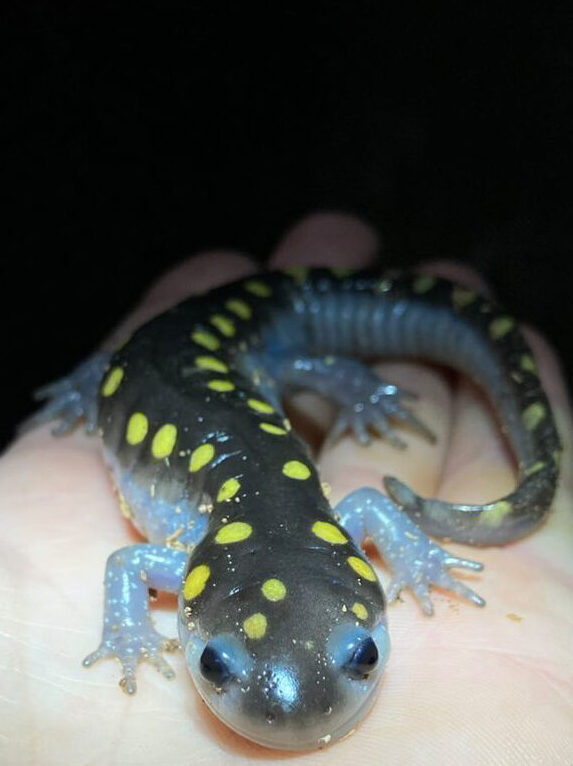
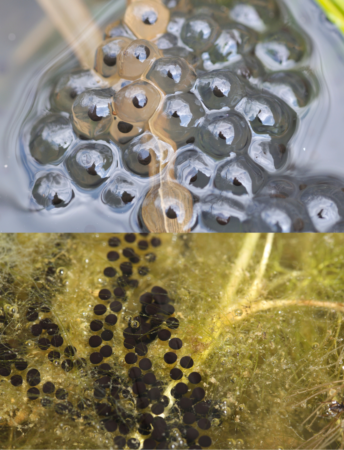
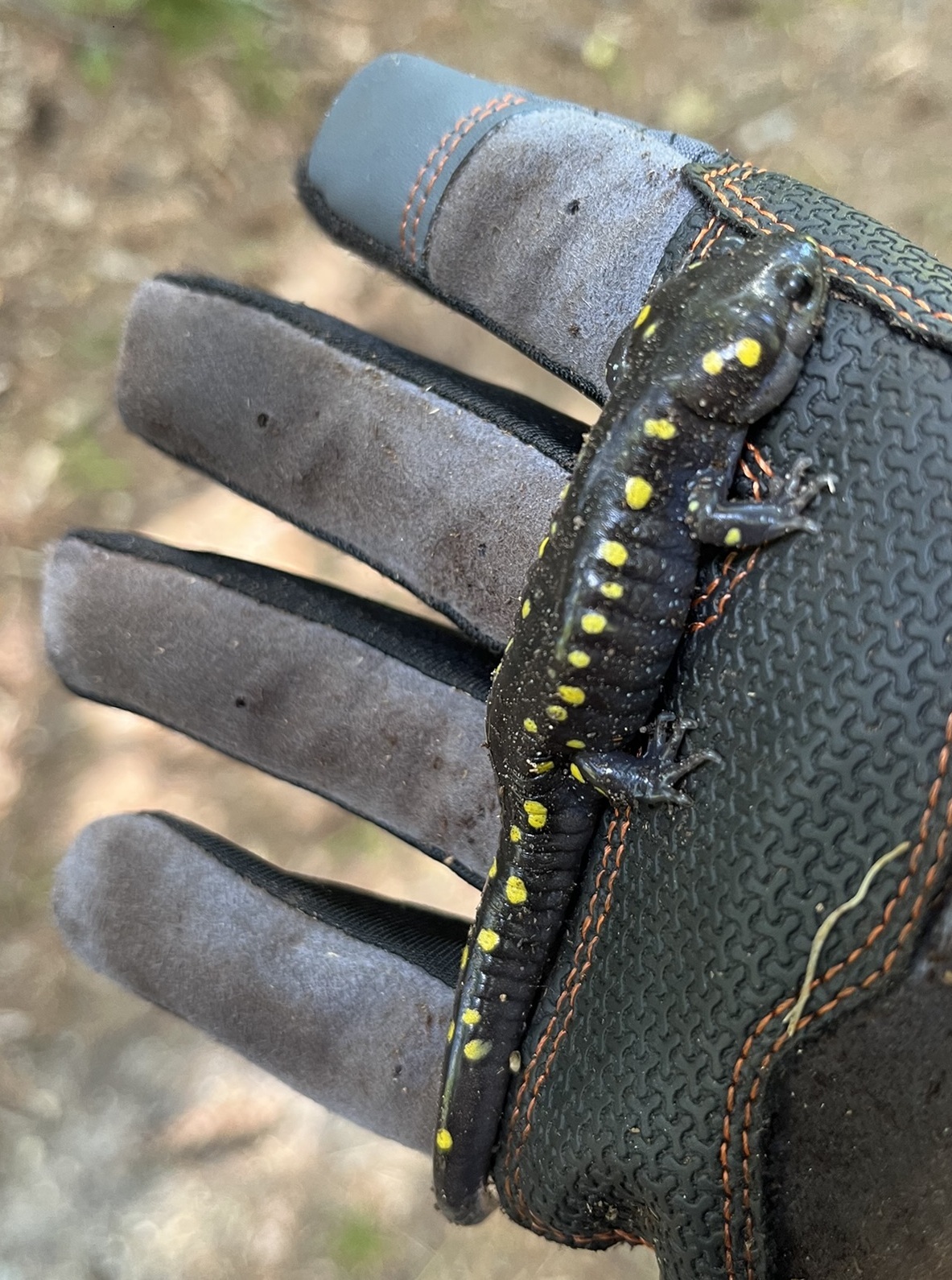
Several kinds of amphibians whose young or eggs are vulnerable to fish use vernal pools as nurseries. Spotted salamanders (Ambystoma maculatum) emerge from their underground lifestyle on warm, rainy nights to lay eggs in vernal pools. They assemble in groups called congresses, courting and breeding in the pools, where the females eventually lay eggs.
Their young, safe from fish predators, will grow over the next 3-6 months and emerge from the pools before they dry up again. These beautiful animals are part of a larger family of salamanders called mole salamanders or Ambystomatidae. Many of these species depend entirely on vernal pools to reproduce.
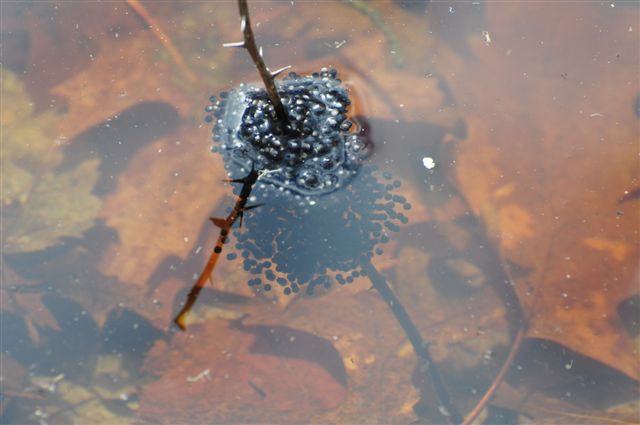
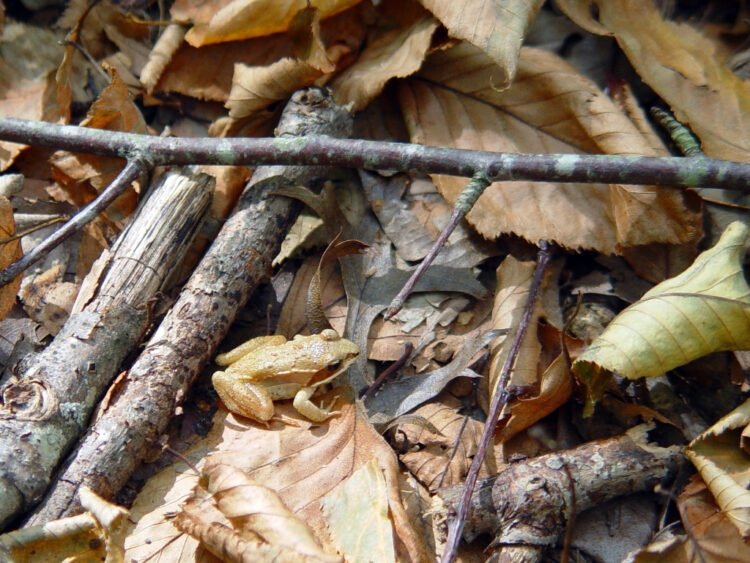
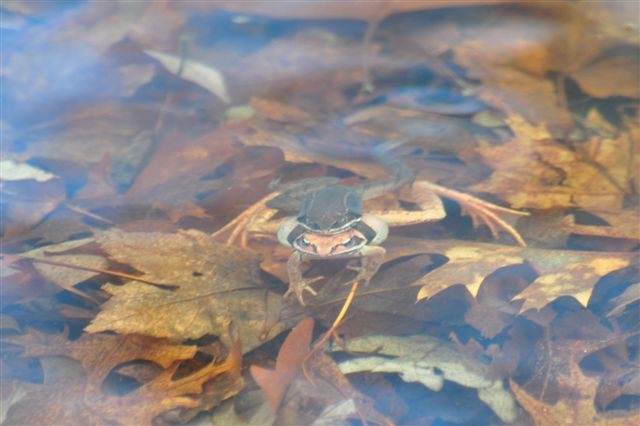
If you’re walking through the woods in early spring in the Northern U.S. or Canada and hear the sound of hundreds of ducks quacking, you may also have found a vernal pool. Wood frogs (Lithobates sylvaticus) are winter-tolerant frogs that breed in vernal pools even when temperatures are barely above freezing. Their loud quacking calls have fooled me on several occasions, and following the sound will often lead you to an exciting wildlife-viewing opportunity.
Some locals are really weird
Vernal pools are havens for totally bizarre invertebrates. My favorite of these has to be fairy shrimp. These strange little beasts survive the dry period as eggs that can sit in the soil for decades without dying. As soon as water comes back to the vernal pool, they can hatch and begin growing.
These ‘shrimp’ aren’t shrimp at all , but members of an ancient family called Anostraca. Fairy shrimp have 11 pairs of plate-like legs with which they both swim and eat. They swim around upside down and filter microbes and other organic matter out of the water. Less commonly, they will graze algae and detritus from the bottom of the pool.
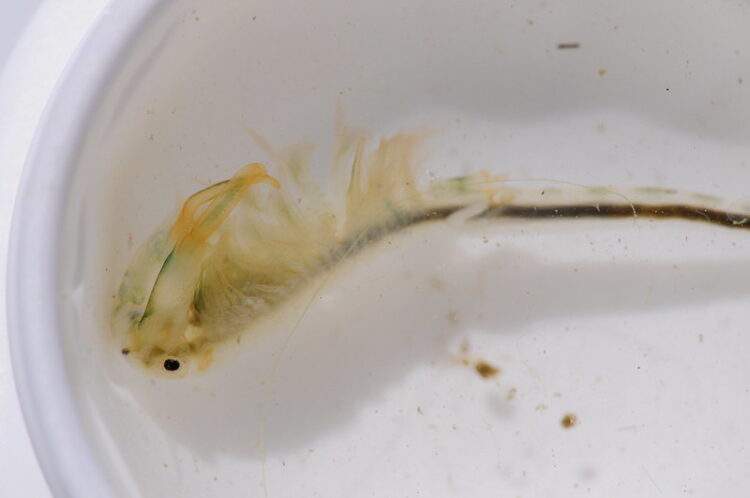
They also thrive in the time-crunched pace of vernal pool life. Fairy shrimp start to hatch within 24-30 hours of a pool filling with water, and can mature to adults within a few weeks. Adults lay eggs that sink to the bottom of the pool and wait for the next wet season.
Where can you find vernal pools?
If you’d like to see these and other fascinating vernal pool regulars, you’ll need to find a vernal pool new you. I think the best time to do this is in late winter or when the spring rains start in earnest. Big frozen patches in the middle of the woods, or standing puddles in the spring are a good indicator. Of course, low points or depressions in the landscape are more likely to accumulate water, so you should look downhill first! Areas with water-loving plants might also be a dead giveaway.
Vernal pools don’t necessarily occur everywhere. Areas that have aseasonal (that is, constant) climatic conditions, like certain parts of the tropics, are less likely to support vernal pools. Your best bet is in areas where rainfall changes dramatically between different times of year, or where there are snowy winters that cause a boom in meltwater when spring arrives. Listening for frog calls in wooded areas when spring temperatures start to rise is another great method.
What happens to vernal pools in the Summer?
Dark gray or dark staining around leaf litter can also be a dead giveaway when vernal pools are dry. Those darker colors are due to hydric soils, which form when water creates hypoxic or anoxic (low- or no-oxygen) conditions. This happens because water fills the interstitial space between soil particles, preventing air from entering. With no air, oxygen is not present to react with naturally occurring iron in the soil. Since reddish colors in soil are due to iron oxidation, the iron in hydric soils stays black or gray, making the soil darker and less brown. This gleying of soil color will tell you when wetlands are around, and if you find it in a dry area it’s a good indicator one temporary wetlands like vernal pools.
Are vernal pools a threatened ecosystem?
Vernal pools, like many other wetlands, are unfortunately heavily threatened ecosystems. The wildlife that depend on them, like mole salamanders, are also declining and vulnerable. We should be careful with how we visit and enjoy these sensitive and unique habitats. So when you look for or visit vernal pools, try not to walk in them or disturb them. Since they attract a lot of wildlife and activity, you might see more just doing a sit-spot. Have a seat, stay still and quiet, and see what unfolds!
Vernal pools are especially endangered because it is difficult to protect them. They may slip through the cracks of wildlife habitat protection laws because they do not always hold water. For example in the United States, they don’t qualify as “Waters of the US”, and thus don’t get legal protections. This means that people can bulldozed or drain them without restrictions.
Want more Gulo in Nature? Stay Connected!
Have you come across a vernal pool in your outdoor adventures? Tell us about it using the Contact page or connect with us on Social Media. If you’d like to Support the Blog or would like more Gulo in Nature directly to your inbox, check out our Newsletter. Until next time, get to know your natural world!

Key Takeaways: Vernal Pools
- Vernal pools are depressions that temporarily collect water during Spring rains or snowmelt.
- They are dry most of the year, and that sets them apart from other wetlands.
- Lots of rare and unique wildlife rely on vernal pools for survival and reproduction.
- Because they don’t hold water all year, vernal pools often don’t have the legal protection they need to protect important animal species.